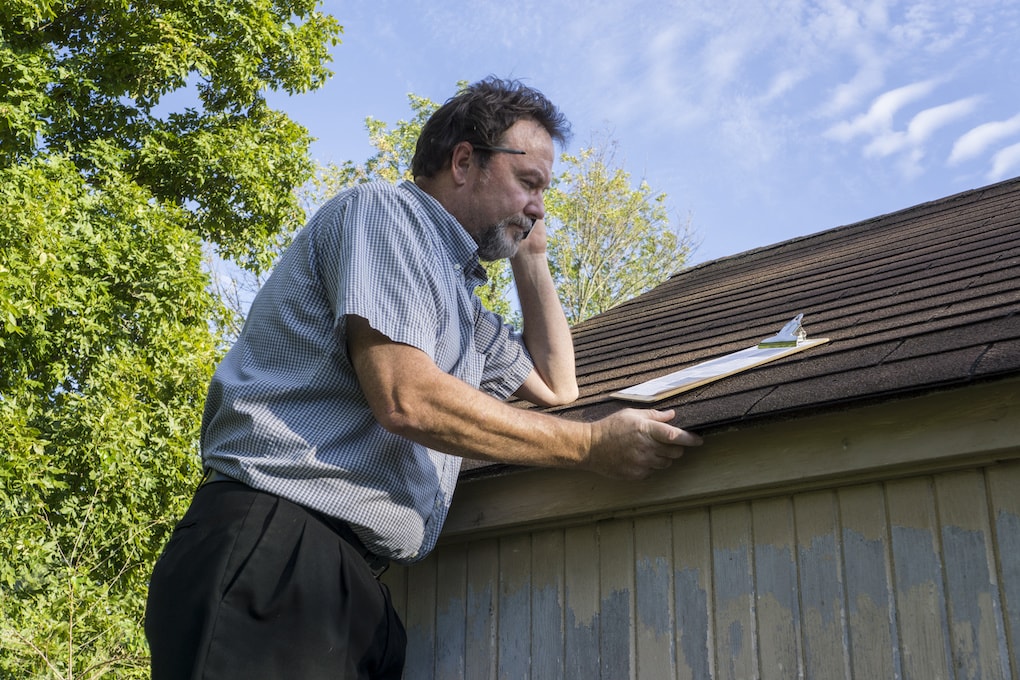
As a fellow Orlando homeowners with more than two decades immersed in the roofing and home improvement industry, I’ve seen the relationship between homeowners and insurance carriers shift dramatically—especially here in the high-risk, high-humidity climate of Central Florida. The question, “Can my insurance company force me to replace my roof?” is no longer a hypothetical worry; it’s a critical reality for thousands of Orlando homeowners.
The short answer is: No, an insurance company cannot legally stand on your roof and force you to replace it in the way a government entity can force compliance.
However, the long answer is far more complicated and far more consequential. Insurance companies possess a powerful leverage tool: the ability to non-renew your policy. If they deem your aging or damaged roof an unacceptable risk, they can refuse to cover your home entirely, effectively coercing you into a replacement to maintain essential coverage. This is a common and growing scenario, backed by recent legislative changes in Florida.
The Root Cause: Why Insurers Fear Your Aging Roof
To understand the pressure to replace, you must first understand the insurer’s perspective. For the last decade, Florida’s property insurance market has been defined by massive losses due to severe weather events (hurricanes, tropical storms) and rampant litigation. Roof damage claims are often the single largest driver of these losses.
An older roof presents a significantly higher financial risk because:
- Lower Wind Resistance: An asphalt shingle roof installed 15-20 years ago was built to less stringent building codes than one installed today. As materials age, they become brittle and more susceptible to detachment in high winds, such as those common with Orlando homeowners during a severe summer thunderstorm.
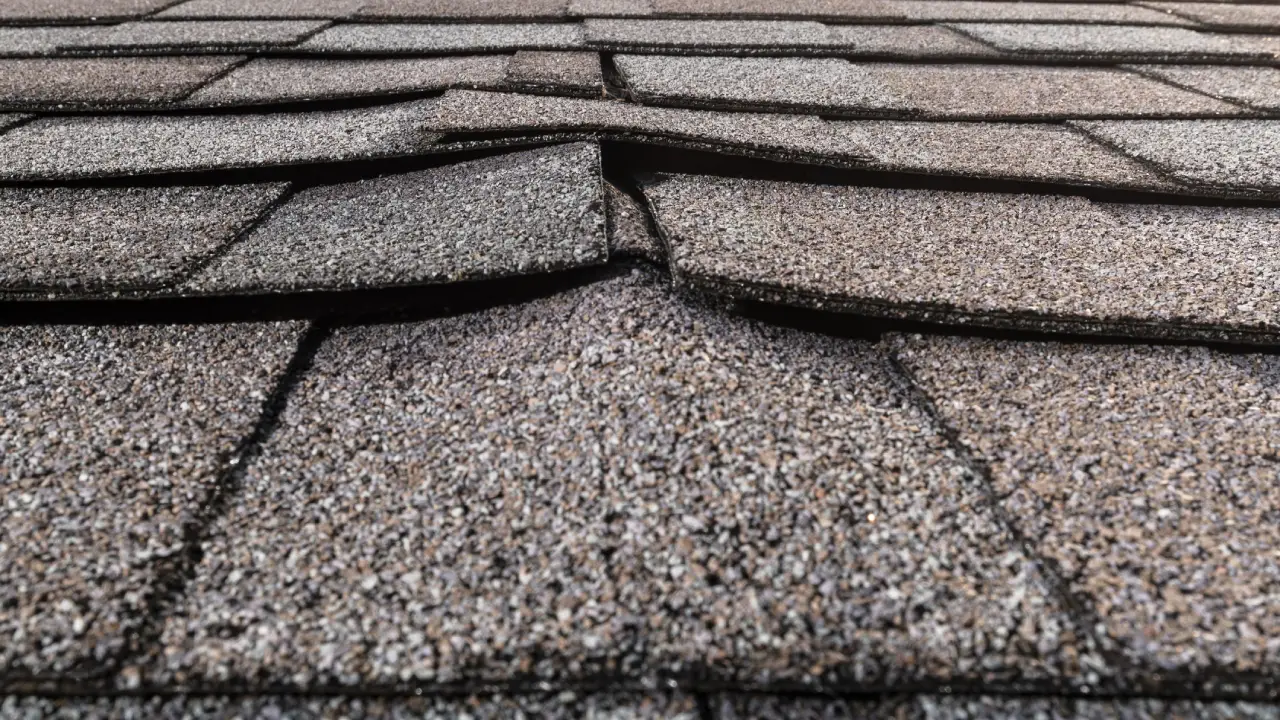
- Increased Leak Risk: Heat and humidity cause granular loss on shingles, degrade the underlayment, and weaken flashing over time. An old roof is a ticking time bomb for water intrusion, which leads to expensive interior damage claims.
- Depreciation: Many older policies cover a roof at Actual Cash Value (ACV), meaning the insurance payout is reduced by depreciation based on the roof’s age. The insurer still saves money by compelling a replacement, as a new roof reduces their future exposure to claims for the next two decades.
Evidence of the Crisis: Florida’s Soaring Non-Renewal Rate
The evidence that insurers are actively reducing their risk is staggering. Data from Insurify and other sources indicate that Florida has led the nation in the rate of home insurance non-renewals, with policy cancellations nearly tripling in recent years. While the reasons are complex, roof age and condition are consistently cited as primary factors by carriers seeking to shed high-risk properties. This can be a major problem for Orlando homeowners.
The Florida Law: The 15-Year Roof Rule and Your Rights
Fortunately, Florida homeowners have some legal protection, thanks to recent legislative reforms, specifically Florida Statute 627.7011(5). This law establishes clear thresholds:
Roofs Under 15 Years Old
- The Law: An insurer may not refuse to issue or refuse to renew a homeowner’s policy solely because the roof is less than 15 years old.
- The Bottom Line: If your roof is relatively new and in good condition, they cannot drop you only because of age.
Roofs 15 Years Old or Older
- The Law: For roofs that are at least 15 years old, an insurer must allow the homeowner to obtain a roof inspection from an authorized inspector (which can now include a licensed roofing contractor).
- The Key to Coverage: If this inspection determines that your roof has five (5) years or more of Remaining Useful Life (RUL), the insurer may not refuse to issue or refuse to renew the policy solely based on age.
- The Crux of the Problem: If the inspector determines your roof has less than five years of RUL, the insurer is within its right to non-renew your policy until the roof is replaced. They are not forcing you to replace it, but they are forcing you to choose between replacement or being uninsured—a position no responsible homeowner should be in.
The Code Enforcement Hammer: The 25% Rule
The state’s building code can also “force” a replacement after a storm. The Florida 25% Roof Replacement Rule (governed by the Florida Building Code) historically mandated that if more than 25% of your roof surface needed repair or replacement within a 12-month period, the entire roof must be brought up to current code standards.
While legislation in 2022 amended this for newer roofs (those complying with the 2007 Building Code or newer), the 25% rule often still applies to older roofs that do not meet current standards, essentially requiring a full replacement after significant storm damage that exceeds the threshold. When this happens, your insurer will only cover the damaged portion unless you have a specific Ordinance or Law Coverage endorsement to pay for the required code upgrade.
Proactive Steps to Beat the Insurance Company to the Punch
Here at Top Builder Roofer, our advice to Orlando homeowners is to get ahead of the non-renewal notice. Don’t wait for your insurance company to send an inspector with a clipboard and a mandate.
- Know Your Roof’s Age: Pull your permits and documentation. If your asphalt roof is approaching the 14-year mark, begin planning.
- Get a Proactive Inspection: Hire a licensed roofing contractor to perform a detailed inspection. If your roof is 15 years or older, this professional assessment can certify its Remaining Useful Life (RUL). This report is your legal shield against non-renewal based on age.
- Budget for an Upgrade: If your contractor’s assessment is below five years RUL, or if your roof is simply showing significant wear and tear (curling, broken, or granular loss), accept that replacement is necessary. Choosing a durable, high-impact material like a metal roof or a premium architectural shingle with a strong wind-rating will not only protect your home but may also qualify you for valuable insurance discounts.
While your insurance company can’t physically force you to replace your roof, they can make keeping your home insured functionally impossible. In the current Florida insurance climate, a proactive roof replacement is often the wisest, most economical move to ensure continuous, comprehensive protection for Orlando homeowners.
Don’t risk losing your home insurance coverage. Call Top Builder Roofer today for a professional roof inspection and a free, no-obligation quote for a modern, code-compliant roofing system.